Shopping cart

Subtotal: $4398.00

View cart Checkout

We are a trusted provider of solar energy solutions, dedicated to delivering reliable, cost-effective, and sustainable power systems for residential, commercial, and industrial customers.

On-Grid, Off-Grid, and Hybrid Solar Systems: Which One Is Right for You?

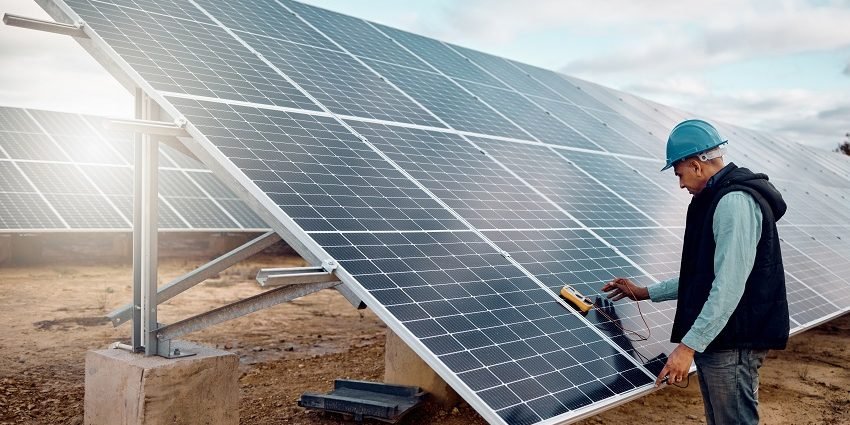
Blog Image

On-Grid, Off-Grid, and Hybrid Solar Systems: Which One Is Right for You?

Choosing the right solar power system is one of the most important steps toward maximizing energy savings and long-term performance. On-grid, off-grid, and hybrid solar systems each offer unique advantages, and the best choice depends on your location, power usage, and energy reliability needs.

On-Grid Solar System

An on-grid solar system is connected directly to the utility electricity grid. It allows you to use solar power during the day and draw electricity from the grid when solar generation is low. Excess power produced by the solar panels can be exported back to the grid through net metering, reducing your electricity bills.

Best suited for:
Homes and businesses with reliable grid electricity and those looking for the lowest initial investment and fastest return on investment.

Key advantages:

Lower system cost

Net metering benefits

High return on investment

Minimal maintenance

Limitations:

No power supply during grid outages

Off-Grid Solar System

An off-grid solar system operates independently of the electricity grid and includes battery storage to provide power at night or during cloudy conditions. This system is ideal for remote locations where grid power is unavailable or unreliable.

Best suited for:
Rural areas, farms, remote sites, and locations with frequent power cuts.

Key advantages:

Complete energy independence

Power available during outages

No dependency on grid electricity

Limitations:

Higher initial cost due to batteries

Requires careful energy management

Hybrid Solar System

A hybrid solar system combines the features of both on-grid and off-grid systems. It uses solar panels, batteries, and grid connectivity to ensure continuous power supply. Excess solar energy can be stored in batteries or exported to the grid, depending on system design.

Best suited for:
Homes and businesses that experience power cuts but still want to benefit from net metering and grid connectivity.

Key advantages:

Backup power during outages

Efficient energy utilization

Reduced electricity bills

Greater flexibility and control

Limitations:

Higher cost than on-grid systems

Which Solar System Should You Choose?

Choose on-grid if you want maximum savings with reliable grid power.

Choose off-grid if you need complete power independence.

Choose hybrid if you want both savings and backup power.

Each system has its own benefits, and the right solution depends on your energy needs, budget, and location. A professional site assessment can help determine the most suitable solar system for your home or business.